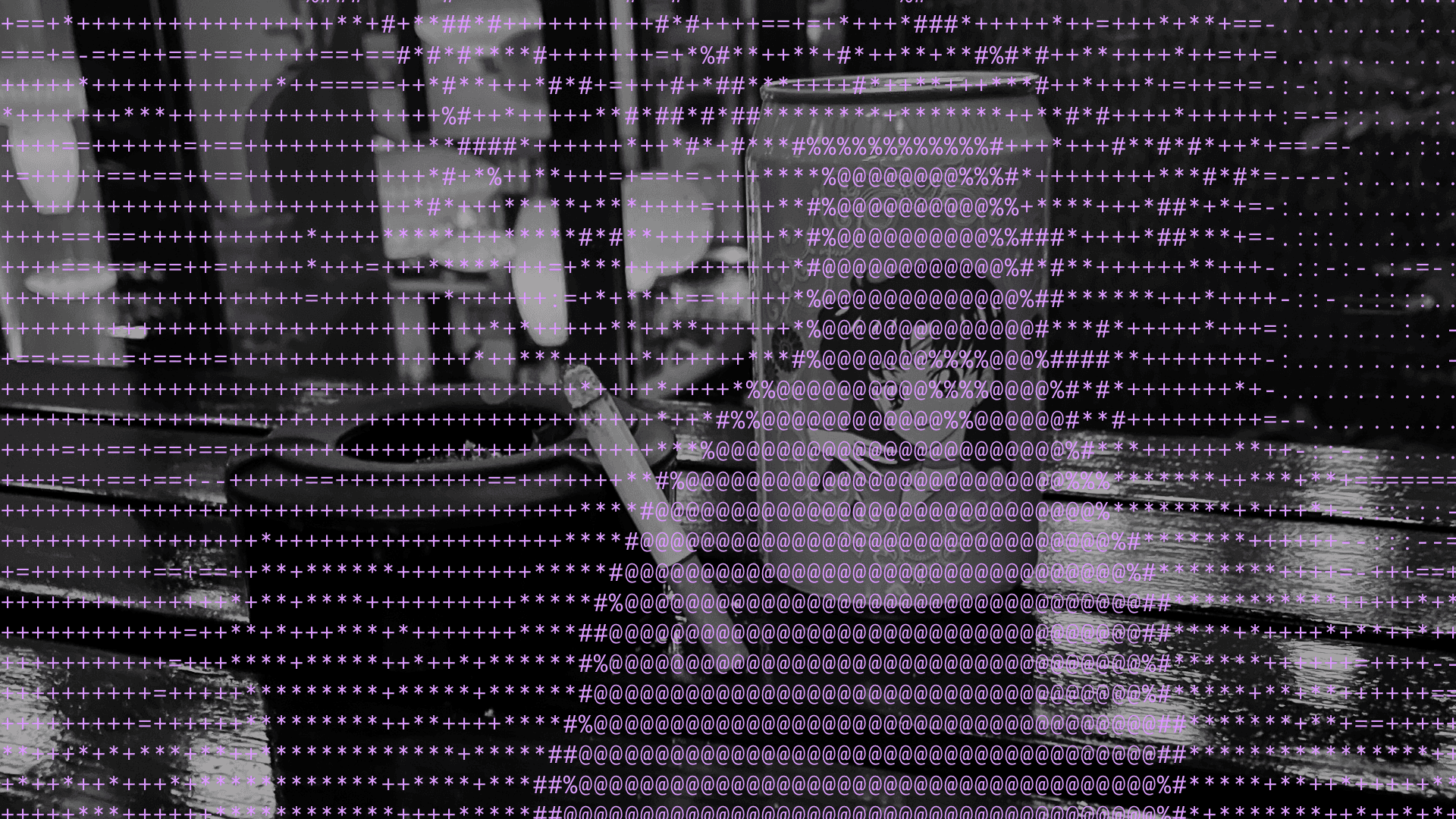
the cigarette break
the cigarette break
I unwrapped my first pack of cigarettes at seventeen, outside of a small store that wasn't exactly a bodega (perhaps bodega adjacent) in Hell's Kitchen. Readers who may be asking themselves how the purchase was made have likely not spent any significant amount of time during their adolescence in New York. When you’re in the right part of the city, you can get anything as a minor. I think that the manic energy of Manhattan had gotten to me, and that's how I found myself on the corner of 57th, under that scaffolding that never seems to come down. Or perhaps it was because some of my older friends did it, and that's why my thumb slid across the lighter's wheel as I lifted the cigarette into my teenage lips for the first time. Or maybe it was the pressure to "make it" by getting into a good university, and that's why I inhaled.
But as I did, the world around me stopped moving. Time was different, and it belonged to me. The strangers rushing past with their briefcases and their somewhere-to-be became a blur I was no longer part of. In a world full of expectations, suddenly, I defined the rules of engagement. And as I exhaled, and the ash settled in my mouth, I found a kind of agency I'd not felt before. You might think that perhaps it was the fact of the situation, and that's why I felt empowered. If we're being honest, when you're seventeen, you tend to find a lot of stupid things cool. But here, that truly wasn't the case.
From that moment, I developed a habit. An unattractive one, an expensive one, and a bad one. Yet its “primary function” has changed over time. What started as an escape from the material world transformed into one of the few ways I ground myself in it daily. The irony is not lost on me: the thing that was killing my body became the thing that keeps me tethered to it. Unlike many people, I don't typically use my phone during smoke breaks. It is the one moment of my day unburdened from the stress of modernity, and that resists digital mediation. There is no way to perform the visceral sensation of tobacco in your lungs, and no way to telegraph the experience to an audience. It may carry an aesthetic value with some people online, but the embodied experience of tobacco smoke entering the lungs cannot be performed for a crowd, only experienced by the user. The smoke enters, the smoke leaves. That transaction belongs to no one but the body making it.
Importantly, the cigarette also carries material consequences. I am keenly aware that my moments of epistemological rebellion against a reality that seems to be constantly renegotiated by its inhabitants may kill me. But if I die of lung cancer, that will at least still be from a degenerative disease. And I will have still probably lived longer than I would have at any other point in history. By most logics, to participate in the act of smoking is to acknowledge that life is fleeting. But by others, it is also to acknowledge that life is real. The kind of epistemological system that Descartes constructed at the beginning of the Enlightenment no longer applies in the twenty-first century. The only premise required, the cogito, can be fulfilled by the LLMs of the current year. But no language model can get lung cancer. No algorithm will die from what it has done to itself. That, at least, remains mine. Even if the reality of my relationship to the cigarette borders on a kind of unnecessary and unhealthy self-sabotage.
Every time I buy a pack now, I do a quiet calculus in my head. Whether the habit is still worth it, despite its fatality. Whether the manic doom emitted from the phone screen is loud enough that I need to still cover my ears, even if I've got "glitter hands" from desperately trying to pick up the pieces of my own existence in an age that provides no epistemological grounding to do so. And whether or not I'd be better off buying cartons, rather than individual packs.
In the cigarette, I find that in the few minutes on a corner somewhere in a city that doesn't care about me, I am still here. Unmediated. Unperformed. Ash settling in my mouth as a reminder that I have a mouth at all.
I unwrapped my first pack of cigarettes at seventeen, outside of a small store that wasn't exactly a bodega (perhaps bodega adjacent) in Hell's Kitchen. Readers who may be asking themselves how the purchase was made haven't spent any significant amount of time during their adolescence in New York. I think that the manic energy of Manhattan had gotten to me, and that's how I found myself on the corner of 57th, under that scaffolding that never seems to come down. Or perhaps it was because some of my older friends did it, and that's why my thumb slid across the lighter's wheel as I lifted the cigarette into my teenage lips for the first time. Or maybe it was the pressure to "make it" by getting into a good university, and that's why I inhaled.
But as I did, the world around me stopped moving. Time was different, and it belonged to me. The strangers rushing past with their briefcases and their somewhere-to-be became a blur I was no longer part of. In a world full of expectations, suddenly, I defined the rules of engagement. And as I exhaled, and the ash settled in my mouth, I found a kind of agency I'd not felt before. You might think that perhaps it was the fact of the situation, and that's why I felt empowered. If we're being honest, when you're seventeen, you tend to find a lot of stupid things cool. But here, that truly wasn't the case.
From that moment, I developed a habit. An unattractive one, an expensive one, and a bad one. Yet, its function has changed over time. What started as an escape from the material world transformed into one of the few ways I ground myself in it. The irony is not lost on me: the thing that was killing my body became the thing that kept me tethered to it. Unlike many people, I don't typically use my phone during smoke breaks. It is the one moment of my day unburdened from the stress of modernity, and that resists digital mediation. There is no way to perform the visceral sensation of tobacco in your lungs, and no way to telegraph the experience to an audience. It may carry an aesthetic value with some people online, but the embodied experience cannot be performed for a crowd. The smoke enters, the smoke leaves. That transaction belongs to no one but the body making it.
Importantly, the cigarette also carries material consequences. I am keenly aware that my moments of epistemological rebellion against a reality that is constantly renegotiated by its inhabitants may kill me. But if I die of lung cancer, that will at least still be from a degenerative disease. And I will have still probably lived longer than I would have at any other point in history. To participate in the act of smoking is to acknowledge that life is fleeting, but also that it is real. The kind of epistemological system that Descartes constructed at the beginning of the Enlightenment no longer applies in the twenty-first century. The only premise required, the cogito, can be fulfilled by the LLMs of the current year. But no language model can get lung cancer. No algorithm will die from what it has done to itself. That, at least, remains mine.
Every time I buy a pack now, I do a quiet calculus in my head. Whether the habit is still worth it, despite its fatality. Whether the quiet doom emitted from the phone screen is loud enough that I need to still cover my ears, even if I've got "glitter hands" from desperately trying to pick up the pieces of my own existence in an age that provides no epistemological grounding to do so. And whether or not I'd be better off buying cartons, rather than individual packs.
But for a few minutes on a corner somewhere in a city that doesn't care about me, I am still here. Unmediated. Unperformed. Ash settling in my mouth as a reminder that I have a mouth at all.
brooklyn, ny
brooklyn, ny
11 dec. 2025
زمان باید بگذرد